Trusted by distributors & brand owners in 30+ countries
OEM air compressor drain valves — Factory direct from China
The drain valve is essential for maintaining your air compressor’s performance and longevity. At BISON, a leading OEM manufacturer in China, we produce high-performance air compressor drain valves designed for durability and reliability.
If the drain valves you purchase fail after 6 months or become clogged during industrial use, it will damage your product reputation. BISON valves undergo a 72-hour pressure cycle test before leaving the factory, so your customers will never complain.
Whether manual, automatic, or electronic, BISON offers a full range of drain valves to meet your system’s needs, all built to international quality standards with advanced manufacturing technology and strict quality control.
Get our best air compressor drain valve right now >>
Tell us your compressor model, required valve type, and order quantity — we’ll send you pricing, lead times, and a sample offer by the next business day.

Our core strengths
Why choose BISON air compressor drain valves?
Discover high-quality air compressor drain valves from bison, a trusted oem in china. Our valves ensure efficient moisture removal, prevent corrosion, and extend compressor life, with consistent quality and support for your products.
- With years of experience in manufacturing air compressor components for global markets, bison engineers design valves that meet international quality and safety standards.
- State-of-the-art equipment, cnc machining, and automated testing ensure each valve is precise, durable, and leak-free.
- We offer tailored solutions to match your compressor design, application, materials, sizes, and pressure ratings for perfect compatibility.
- Every valve undergoes rigorous durability, sealing, and pressure testing to guarantee consistent performance.
- From small businesses to industrial distributors, bison delivers air compressor drain valves worldwide with reliability and efficiency.
A detailed air compressor drain valves guide for beginners to advanced users.
Picture your air compressor running steadily in a busy workshop or garage—powering tools, keeping projects moving, and working just as you expect. What you do not see is what happens inside the tank. Every time air is compressed, moisture naturally condenses and settles at the bottom, quietly building up with every cycle. This hidden water becomes a serious threat, leading to rust, reduced performance, and even premature tank failure if ignored.
That is where the drain valve comes in. Though small and often overlooked, it is the essential component that protects your entire air system. In this article, we will explain why water forms inside an air compressor tank, the risks of letting it accumulate, the different types of drain valves you can choose from, and simple maintenance practices to keep your compressor safe and running efficiently.

Understanding the role of an air compressor drain valve
When air is compressed in an air compressor, it isn’t just squeezed into a smaller space—something else happens too. Air naturally contains water vapor, and as it is compressed, the temperature rises and then cools inside the tank. This cooling causes the water vapor to condense into liquid water, much like how dew forms on grass in the early morning. Over time, this moisture builds up inside the tank, mixing with oil and dust particles., creating a hidden but persistent problem.
What happens if you don’t drain the tank? The drain valve, though small, is essential for preventing these issues:
- Internal tank corrosion: water reacts with steel, causing rust that weakens the tank.
Reduced air capacity: moisture takes up space, forcing the compressor to work harder and wear faster. - Damage to pneumatic tools: water in air lines can rust or damage tools like nail guns, impact wrenches, and sanders.
- Contaminated air for critical tasks: moisture can ruin finishes in processes like spray painting.
- Safety risks: prolonged corrosion can compromise tank strength, increasing the risk of failure under pressure.
Regularly using a high-quality, corrosion-resistant drain valve, such as BISON’s, is the simplest way to protect your tools, compressor, and workspace.
Types of air compressor drain valves
Air compressor drain valves are essential for removing moisture and protecting your system. Different types suit various systems, usage levels, and automation preferences. Understanding them helps you choose the right one for your setup.
1. Manual drain valves (petcocks)
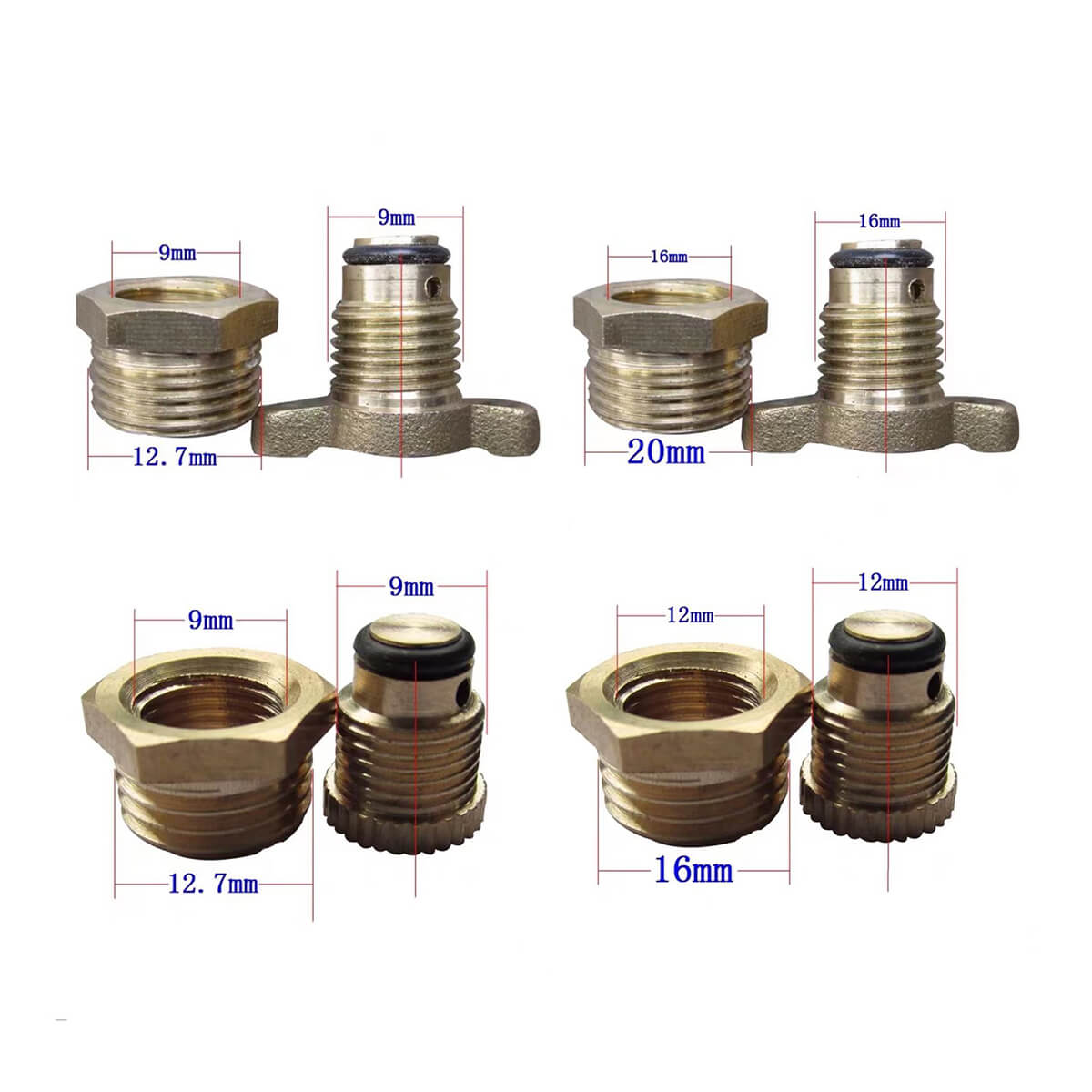
Manual valves are operated by a twist knob or wing nut to release water. They are simple, affordable, and effective for small or infrequently used compressors but require regular attention.
Advantages
- Low cost
- Simple construction, minimal failure points
- Easy to replace or repair
Disadvantages
- Requires daily operation
- Easy to forget, leading to moisture buildup
- Sometimes hard to reach
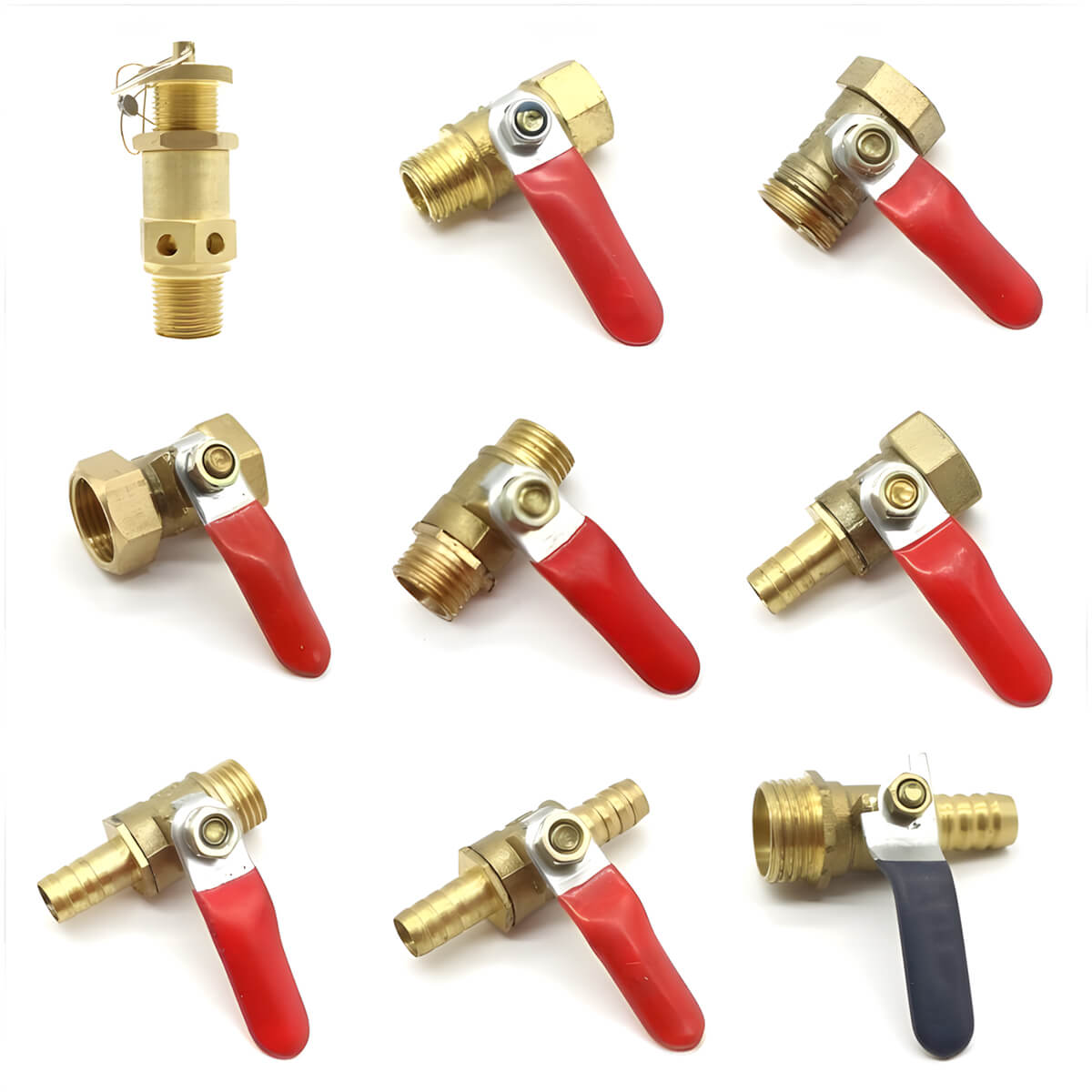
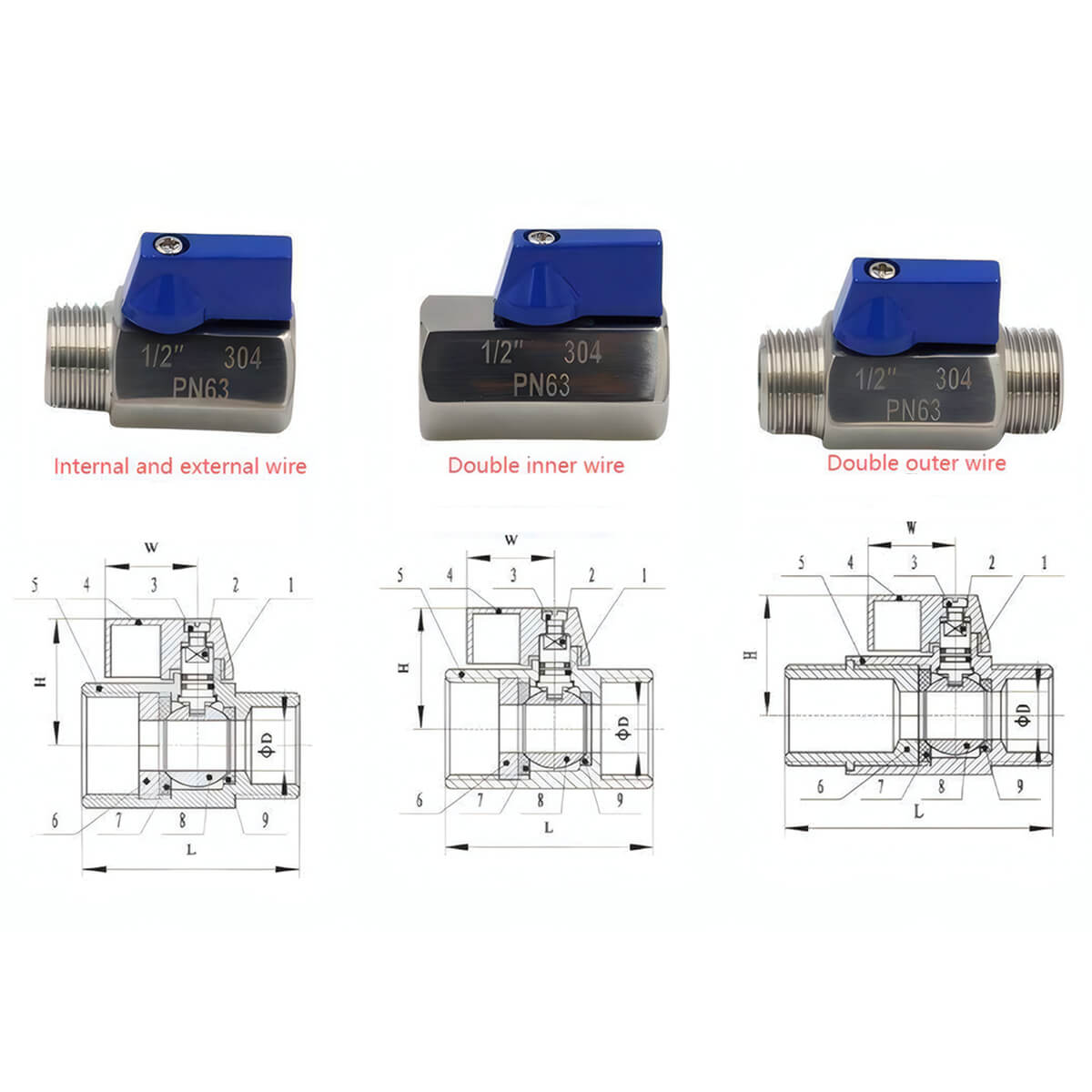
BISON manual valves are made from durable brass and stainless steel to resist corrosion and ensure secure drainage.
2. Automatic drain valves
Automatic valves open and close based on timers, pressure, or water levels, removing moisture without daily intervention.
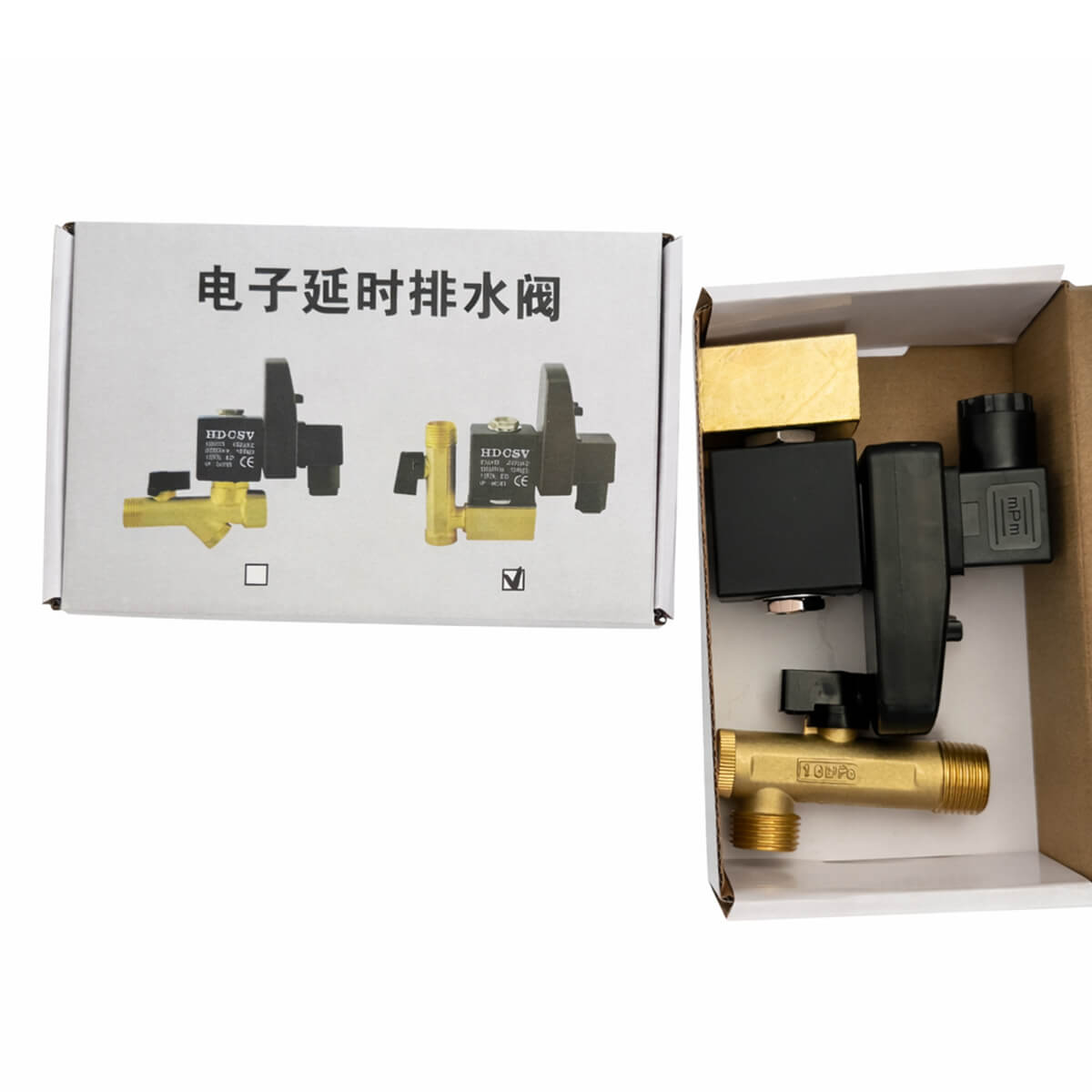
- Timed electric valves: use a solenoid and programmable timer. Pros: convenient, adjustable. Cons: may waste air, require electricity, can clog. Bison’s models are energy-efficient with adjustable timing.
- Float-operated mechanical valves: a float opens the valve as water rises. Pros: no electricity, minimal air loss. Cons: occasional cleaning needed, sensitive to debris.
- Pneumatic valves: operate using compressed air, ideal for hazardous or wet environments. BISON pneumatic valves ensure safe, consistent operation.
BISON automatic valves are precise, easy to install, low maintenance, and save labor.
3. Zero-loss drain valves
Zero-loss valves release only liquid, not compressed air, saving energy and reducing waste. They use electronic or capacitive sensors to detect water.
Pros
- Very efficient, minimal air loss
- Reliable and resistant to fouling
- Can integrate with electronic monitoring systems
Cons
- Higher cost
- Requires electricity
BISON zero-loss valves feature smart sensors and stainless-steel housings for long-lasting, reliable performance.
Choosing the right drain valve for your compressor
Selecting the right drain valve is critical for consistent compressor performance, energy efficiency, low maintenance, and long service life. Considering your system’s needs helps ensure long-term reliability.
Compressor size and tank capacity
The size of your compressor affects how much moisture accumulates in the tank.
- Small portable compressors: manual valves are usually sufficient.
- Medium shop compressors: automatic valves provide regular drainage without operator attention.
- Large industrial compressors: electronic or zero-loss valves are most efficient, handling high humidity with minimal air loss.
Valve size should match your compressor’s drain port and condensate output. Small to medium compressors often use ¼” or ½” valves, while industrial tanks require larger fittings to ensure leak-free operation.
Materials and construction
Valve material affects durability and performance:
- Brass valves: corrosion-resistant, easy to machine, ideal for light to medium-duty applications. Bison brass valves are precision-made for long-lasting performance.
- Stainless steel valves: excellent for harsh industrial environments, with high corrosion resistance, temperature, and pressure tolerance. BISON stainless valves are engineered for extreme durability.
- Plastic and composite valves: lightweight, non-corrosive, and cost-effective for low-pressure systems. Bison also offers chemically resistant, energy-efficient composite valves.
Choosing the right type and material ensures efficient drainage, protects your compressor, and extends its lifespan.
Operating environment
The environment where your compressor runs affects valve performance and durability.
Small portable compressors
Manual valves are usually sufficient, but remember to drain regularly. Plastic or composite valves work well in clean indoor settings at low cost.
Small shops or prosumer use
For stationary compressors in workshops or semi-professional projects, automatic valves — timed or float-operated — offer reliable, efficient moisture removal without constant attention. In humid, dusty, or corrosive environments, stainless steel or brass valves resist rust and withstand harsh conditions.
Industrial or continuous-use environments
Zero-loss or electronic sensor drains are ideal for heavy-duty compressors. They release water only when needed, saving air, reducing downtime, and protecting tools. While upfront costs are higher, long-term savings in energy, maintenance, and efficiency make them worthwhile.
Even in dusty or humid conditions, valves may require occasional inspection. BISON offers a wide range of drain valves suitable for all environments, ensuring reliable, long-lasting performance.
Maintenance and accessibility
How often you can service your compressor affects valve choice. Compressors that run continuously or multiple times a day benefit from automatic drains to avoid constant manual intervention. For occasional use, a manual valve may suffice if maintenance is reliable and the tank is easy to access. Automatic or electronic valves reduce human error, preventing water buildup and corrosion over time.
Energy efficiency and air loss
Not all valves are equally efficient. Traditional valves can waste compressed air along with moisture. Zero-loss drain valves release only water, using sensors to open only when necessary. While they may cost more initially, they save energy, reduce compressor workload, and lower long-term operating costs.
Compatibility with existing equipment
Ensure any new valve matches your compressor’s design, pressure rating, and connection type. Manual drains are easy to install, while automatic or electronic valves may require electrical connections, timers, or sensors. BISON oem valves are designed for precise fit, easy installation, and customization to meet your system’s size, pressure, and material requirements.
Budget and long-term value
Cost is important, but long-term efficiency and protection matter more. Manual valves are inexpensive but require frequent attention, while automatic and electronic valves reduce labor and prevent moisture-related damage. BISON valves combine affordability, durability, and reliability, making them cost-effective for both small workshops and industrial users.
Safety and reliability
Drain valves handle high-pressure air and moisture; malfunction can cause leaks or damage. Always choose valves from trusted manufacturers with rigorous testing. BISON valves undergo strict performance and pressure testing, ensuring safe, efficient, and reliable operation for your compressor system.

Conclusion
Moisture is an inevitable byproduct of air compression, forming inside tanks as water vapor condenses. If left unmanaged, it can cause rust and corrosion, damage pneumatic tools, contaminate air-powered processes, reduce system efficiency, and in rare cases, create safety hazards.
Choosing the right drain valve is the most effective way to prevent these problems. Manual valves suit small, occasional-use compressors, while automatic and zero-loss valves offer convenience, efficiency, and reliability for larger or continuously used systems. Consider factors such as compressor size, tank capacity, operating environment, and usage frequency to ensure the valve meets your specific needs.
By prioritizing proper valve selection, installation, and maintenance—and using high-quality, dependable components from BISON—you can enjoy long-lasting performance, reduced maintenance, and peace of mind.
Choose BISON, your trusted OEM partner in China, for reliable air compressor components that keep your operation running smoothly. Contact us today to learn more or request a custom solution for your compressor system.
frequently asked questions about air compressor drain valve
How long does a drain valve last?
With proper care, a high-quality drain valve can last many years. Lifespan depends on material, operating conditions, and usage frequency. Stainless steel and brass valves typically last longest, especially in humid environments.
What should I do if my valve becomes clogged?
If a drain valve clogs with rust, oil, or debris, safely disconnect and clean it using compressed air. If the valve shows wear, replace it. BISON offers a full range of replacement valves and OEM spare parts for all compressor types.
How to install an air compressor drain valve?
Proper installation ensures your drain valve functions reliably and is easy to maintain.
Valve positioning
Install the valve at the tank's lowest point where moisture collects. Ensure it is easily accessible for manual operation, inspection, and maintenance.
Connection methods
Use compatible threaded or flanged fittings. Apply thread sealant or teflon tape to prevent leaks, and avoid over-tightening to protect threads and valve integrity.
Safety considerations
Always release tank pressure before installation and wear protective gloves and eyewear. Double-check all connections before use.
Step-by-step installation
- Turn off and depressurize the compressor.
- Identify the lowest point on the tank for the valve.
- Clean threads and apply sealant or tape.
- Install the valve, hand-tighten, then secure gently with a wrench.
- Ensure the valve is accessible and properly aligned.
- Slowly pressurize the tank and check for leaks before regular operation.
BISON valves are designed for easy, tool-free installation and standard fittings that fit most air compressor models.
How to maintain the drain valve of an air compressor?
Routine maintenance is essential to keep your air compressor system efficient, safe, and long-lasting. Regular draining prevents corrosion, protects tools, and maintains system performance.
General maintenance tips:
- Fittings and connections: inspect for leaks, corrosion, or wear.
- Manual valves: operate daily and clean periodically to prevent debris buildup. More frequent draining may be needed in humid environments, hot climates, or with long compressor run times.
- Automatic valves: programmed to drain at set intervals. Test periodically to ensure proper operation.
- Timed electric valves: check for clogging and timer function.
- Float-operated valves: clean periodically to remove rust or debris affecting the float.
- Zero-loss valves: inspect sensor function and electrical connections to ensure reliable operation. Minimal attention is needed, but periodic checks are recommended.
By following these maintenance practices, your drain valve will operate efficiently, protect your equipment, and extend the lifespan of your compressed air system.