Trusted by distributors & brand owners in 30+ countries
OEM air compressor exhaust tubes — Factory direct from China
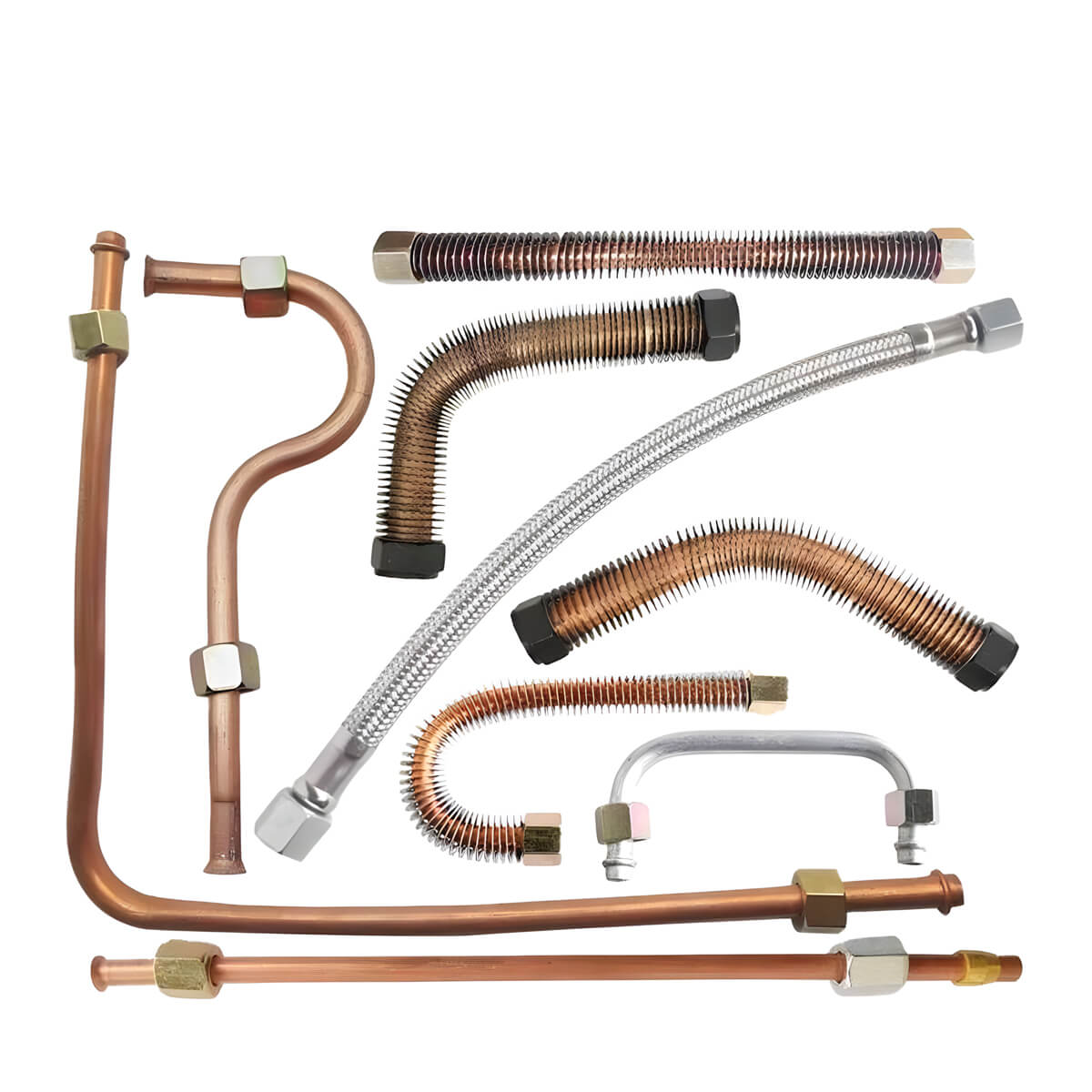
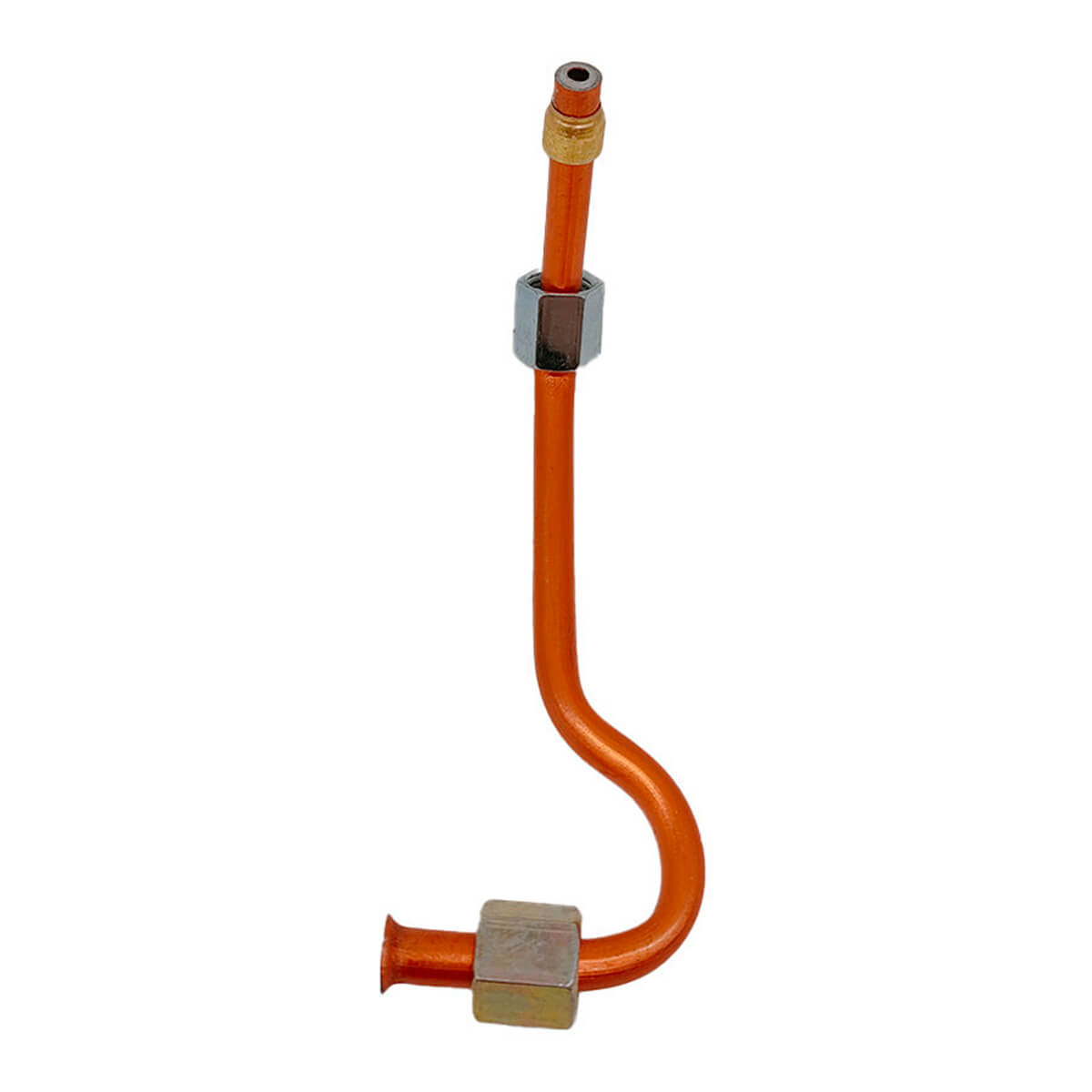
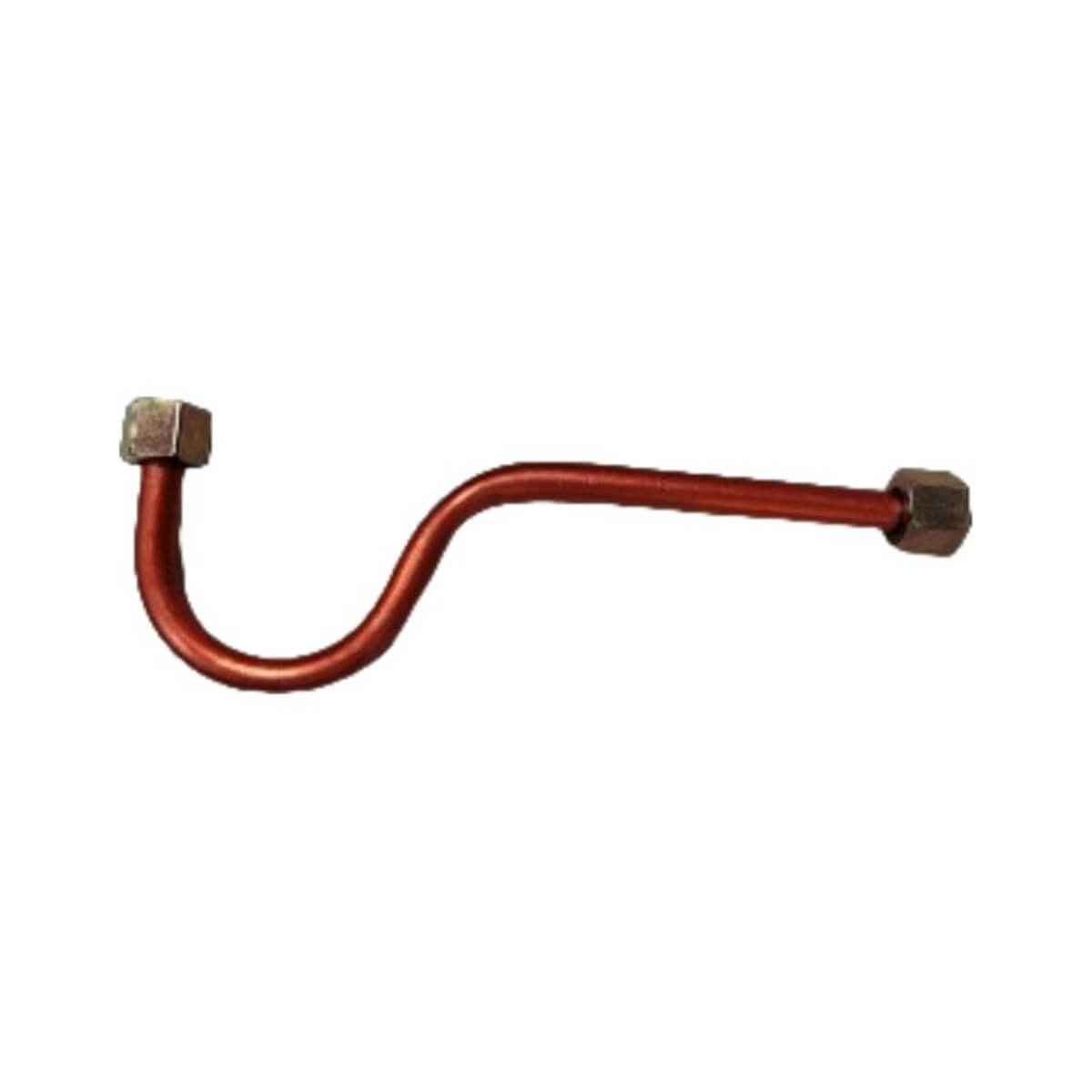
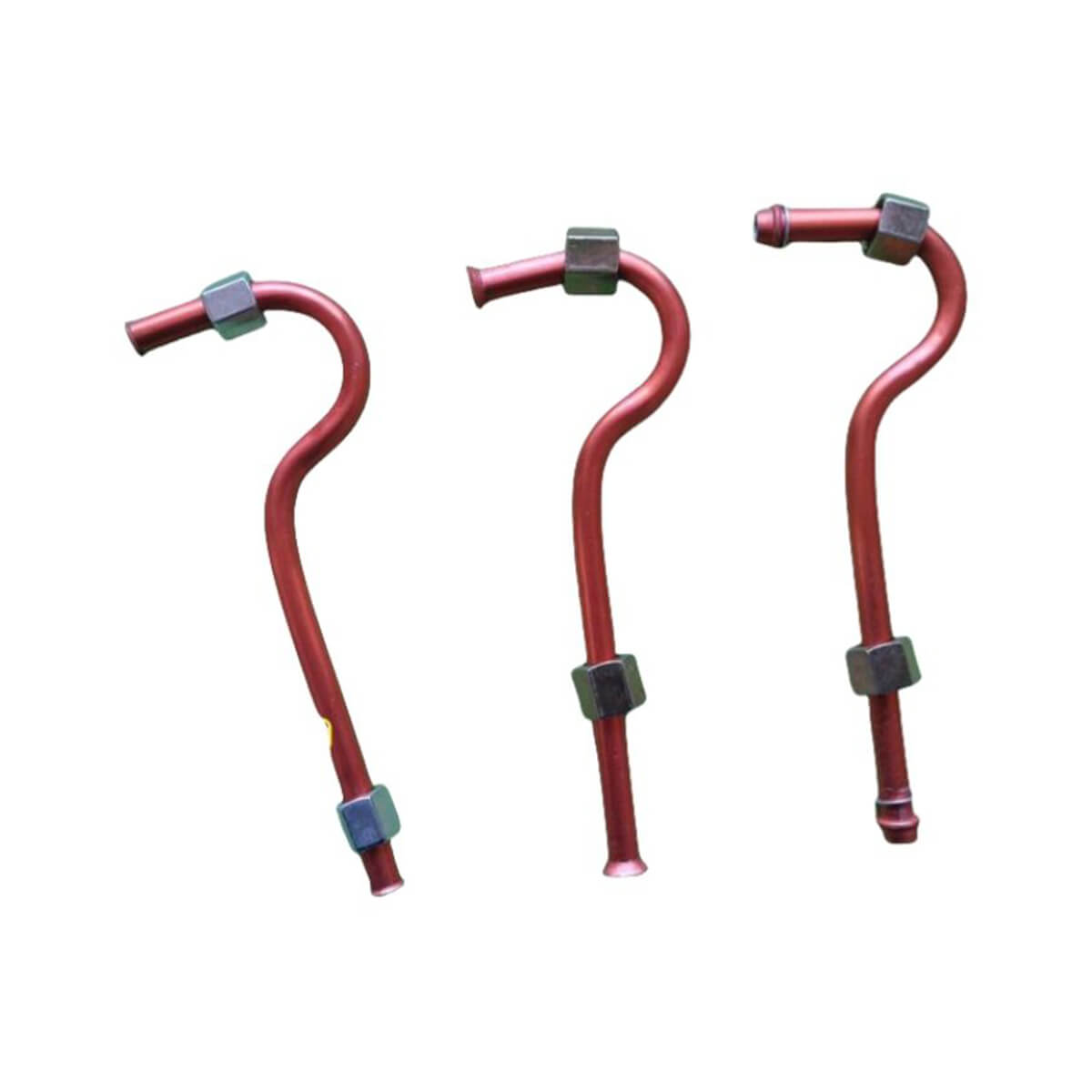
A high-quality exhaust tube is essential for efficient airflow and optimal performance in any air compressor system. It safely guides discharged air, reduces back pressure, and supports continuous, reliable operation. BISON supply copper-plated aluminum, stainless steel, and galvanized steel exhaust tubes in diameters from 8 mm to 25 mm, with standard G1/8 – G3/4 thread connections. Every batch is pressure-tested to 1.5× rated PSI before shipment.
BISON exhaust tubes are made from premium materials and advanced manufacturing processes to ensure corrosion resistance, smooth airflow, and long service life. They improve the safety, efficiency, and durability of air compressor systems in workshop, commercial, and industrial applications.
Get our best air compressor exhaust tube right now >>
We provide competitive factory pricing, free samples, and a dedicated export coordinator from quote to delivery.

Our core strengths
Why choose BISON air compressor exhaust tubes?
As a leading OEM manufacturer of air compressor components—including exhaust tubes, gauges, and valves—BISON combines modern production facilities, strict quality control, and experienced engineering to deliver reliable solutions for global industrial, commercial, and workshop applications.
- BISON exhaust tubes are engineered to minimize back pressure and maintain smooth airflow, allowing compressors to run cooler, more efficiently, and with stable operating performance.
- Manufactured from premium heat-resistant and corrosion-resistant materials, BISON exhaust tubes withstand harsh temperatures, humidity, dust, and chemical exposure. Advanced coatings and precise fabrication ensure long service life.
- Precision design helps reduce vibration and operating noise, creating a quieter and more comfortable working environment.
- User-friendly structures and flexible configuration options enable fast, secure installation across different compressor systems and workspace layouts.
- BISON provides custom exhaust tube solutions tailored to compressor size, material requirements, pressure ratings, and connection types—ensuring perfect compatibility and dependable long-term performance.
A detailed air compressor exhaust tube guide for beginners to advanced users.
In a compressed air system, the compressor acts as the heart delivering power throughout the workspace, while the exhaust system directs airflow safely and efficiently. A properly designed and installed exhaust tube is critical for performance, longevity, and safety. Incorrect tube selection or poor installation can cause pressure loss, premature tool wear, and potential hazards.
As a professional air compressor manufacturer in China, BISON provides this guide to help DIY users, home garage owners, and small workshop operators choose, install, and maintain the right exhaust tubes to keep systems running smoothly and safely.

Understanding air compressor exhaust tubes
An air compressor exhaust tube is a critical component that directs discharged air and gases away from the compressor while maintaining correct pressure, airflow stability, and system safety. More than simple piping, a well-designed exhaust tube directly affects efficiency, noise control, and long-term equipment performance.
Applications of air compressor exhaust tubes
The exhaust tube is a key component of any air compressor system. It safely removes compressed air or exhaust gases, reduces back pressure, controls temperature, and helps maintain efficient and stable performance while minimizing noise and vibration.
Its main functions include:
- Exhaust management: Directing hot air and gases away from the compressor.
- Air delivery: Delivering regulated air to tools and equipment.
- Connectivity: Providing secure connection points for attachments.
- Safety enhancement: Enhancing safety by preventing overheating and pressure buildup.
Air compressor exhaust tubes are widely used across different industries and environments:
- Industrial manufacturing: Commonly installed in factories and production plants to manage exhaust airflow and maintain reliable compressor performance. Recommended: Stainless steel or galvanized steel, G1/2–G3/4 thread, 500–800 mm length. Built to handle continuous-duty compressors (5–15 HP) in high-temperature, high-dust environments. Rated for operating temperatures up to 200 °C.
- Automotive workshops: Support safe air release and quieter operation during vehicle repair, tire service, and spray-painting work. Recommended: Copper-plated aluminum, G3/8 thread, 400–450 mm length. Lightweight and vibration-resistant — ideal for small piston compressors (1–3 HP) commonly used in garages.
- Construction sites: Designed for heavy-duty compressors working in harsh conditions, ensuring stable and dependable exhaust management. Recommended: Flexible steel-braided hose or heavy-wall aluminum, G1/2 thread. Absorbs vibration from diesel-powered portable compressors and resists impact damage on job sites.
- Food and beverage industry: Help maintain clean and controlled airflow suitable for sensitive production environments. Recommended: 304 stainless steel with food-grade surface finish. Meets hygiene requirements for oil-free compressed air systems. BISON provides material certificates on request.
- Home and DIY applications: Ideal for small compressors in garages and workshops, offering simple installation and dependable daily use. Recommended: Standard copper-plated aluminum, G1/8–G1/4 thread, 200–400 mm length. Cost-effective replacement tube for popular consumer compressor brands — easy to install with no special tools.
How to choose the right air compressor exhaust tube?
Air compressor exhaust tubes come in different designs and materials, each suited to specific applications. Selecting the correct tube helps your compressor operate efficiently, safely, and with a longer service life.
As a professional air compressor manufacturer in China, BISON provides practical guidance to help DIY users, garage owners, and small workshop operators choose reliable exhaust tube solutions that ensure consistent performance and safety.
Match the tube to compressor capacity and airflow
The exhaust tube diameter, length, and pressure rating must match your compressor’s CFM (air volume) and PSI (air pressure).
- Back pressure: Tubes that are too narrow create back pressure and heat buildup.
- Velocity: Oversized tubes can reduce airflow velocity and efficiency.
- Pressure drop: Long runs, sharp bends, and excess fittings increase pressure drop.
Sizing tips
- Home and small workshops: Typically 1/2″ to 3/4″ diameter.
- Industrial systems: Often 1″ or larger.
- Efficiency: Keep runs short and minimize elbows to maintain airflow.
Correct sizing maintains strong tool performance, reduces compressor wear, and improves overall safety.
Choose the right material
Material selection determines durability, heat resistance, corrosion protection, and lifespan.
Common materials
- Copper: Durable, heat-resistant, corrosion-resistant; higher cost.
- Aluminum: Lightweight, corrosion-resistant, easy to install; moderate strength.
- Galvanized steel: Strong and affordable with rust protection; heavy.
- Black iron: Very strong for high pressure; requires corrosion protection.
- Stainless steel: Excellent heat and corrosion resistance; premium option.
- Plastic (PVC/PEX): Lightweight and inexpensive but limited to low-pressure use; avoid unsafe ratings.
- Flexible rubber or silicone hoses: Ideal for vibration or portable connections but wear faster.
Always match the material to operating temperature, pressure, and environment to ensure safe long-term use.
| Material | Best for | Max temp | Corrosion resistance | Relative cost |
|---|---|---|---|---|
| Copper-plated aluminum | General workshop, diy, light commercial | 150 °c | Good | $ |
| Galvanized steel | Heavy industrial, high-pressure systems | 200 °c | Moderate | $$ |
| 304 stainless steel | Food/pharma, humid or chemical environments | 300 °c | Excellent | $$$ |
| Flexible steel-braided | Portable/mobile compressors, anti-vibration | 200 °c | Good | $$ |
Not sure? Bison’s engineering team CAN recommend the optimal material based on your compressor model and operating environment. Contact US for A free consultation.
Verify temperature and pressure ratings
Air compressors generate significant heat and pressure. Choose exhaust tubes rated for the maximum operating temperature and PSI specified by the compressor manufacturer to prevent deformation, leaks, or failure.
Evaluate installation space and flexibility
- Rigid metal tubes: Provide durability and high-pressure strength for permanent systems.
- Flexible hoses: Simplify installation in tight or vibration-prone spaces.
Select the layout that allows smooth airflow with minimal restriction.
Consider noise and vibration control
Reinforced or insulated exhaust tubes can reduce operating noise and vibration, which is important for indoor workshops or noise-sensitive environments.
Check connection compatibility
Ensure fittings, clamps, and seals match the compressor outlet and connected tools. Proper connections prevent leaks, maintain pressure, and improve system reliability. BISON’s standard production includes pipe thread specifications of G1/8, G1/4, G3/8, G1/2, and G3/4; NPT and UNF threads are also available for OEM orders. Before placing an order, please be sure to verify the thread specifications of the compressor pump head and the check valve.
Look for OEM customization
Working with an experienced OEM manufacturer like BISON allows customization of tube size and material, temperature and pressure rating, and connector and fitting type. This ensures precise compatibility and dependable long-term performance.
Plan for maintenance and replacement
Choose exhaust tubes that are easy to inspect, clean, and replace. Accessible designs reduce downtime and long-term maintenance costs.
Confirm quality and safety standards
Always select exhaust tubes that meet recognized international quality and safety requirements. Reliable manufacturers provide tested, durable products that balance cost, safety, and lifespan.
Insulated vs. non-insulated tubes
- Insulated tubes: Reduce condensation and stabilize temperature in humid or cold environments.
- Non-insulated tubes: Suitable for standard workshop conditions and lower cost.
Maintenance tips for air compressor exhaust tubes
Proper maintenance of an air compressor exhaust tube is essential for safe, efficient, and long-lasting system operation. Continuous exposure to heat, moisture, oil, and vibration can gradually cause wear or damage. Regular inspection and care help extend service life, maintain compressor performance, and prevent costly failures.
Clean the exhaust tube regularly
Remove dust, debris, oil mist, and moisture that may restrict airflow or increase back pressure.
- Surface care: Wipe metal surfaces to reduce corrosion.
- Cleaning methods: Use compressed air or mild cleaning solution when needed.
- Moisture control: Install drip legs or drains to remove condensation.
Inspect for cracks, leaks, and corrosion
Check tubes, bends, joints, and fittings for visible damage or overheating. Replace any cracked, leaking, or corroded components immediately to prevent air loss or safety risks.
Check fittings and connections
Loose or worn connections can cause vibration, noise, and pressure leakage. Ensure clamps, bolts, and connectors are tight and compatible, especially when using flexible hoses.
Replace worn or damaged tubes promptly
Exhaust tubes have a limited service life. Replace parts showing rust, deformation, fatigue, or heat damage using properly rated, compatible components to maintain safe operation.
Monitor temperature and pressure
Abnormal heat or pressure fluctuations may indicate blockages, undersized tubing, or airflow restriction. Early detection prevents serious compressor damage.
Avoid sharp bends and kinks
Route tubing with smooth, gradual bends to maintain airflow and prevent material stress, cracking, or collapse over time.
Keep the surrounding area clean
Maintain a dust-free, well-ventilated workspace to prevent debris from entering the exhaust system and to reduce overheating risk.
Schedule periodic professional inspection
Annual inspection by a qualified technician can detect hidden blockages, internal wear, or pressure issues not visible externally.
Follow a replacement schedule
Inspection every six months is recommended, with replacement based on usage level, material condition, and operating environment. Industrial systems may require more frequent servicing than small workshop compressors.
Observe safety precautions
- Depressurize the system before maintenance.
- Use soapy water to detect small leaks.
- Wear gloves and eye protection near pressurized air equipment.
Conclusion
As part of BISON, a professional air compressor manufacturer in China, we recognize that a well-designed exhaust system is vital to compressor performance, operational safety, and tool longevity.
Take action today!