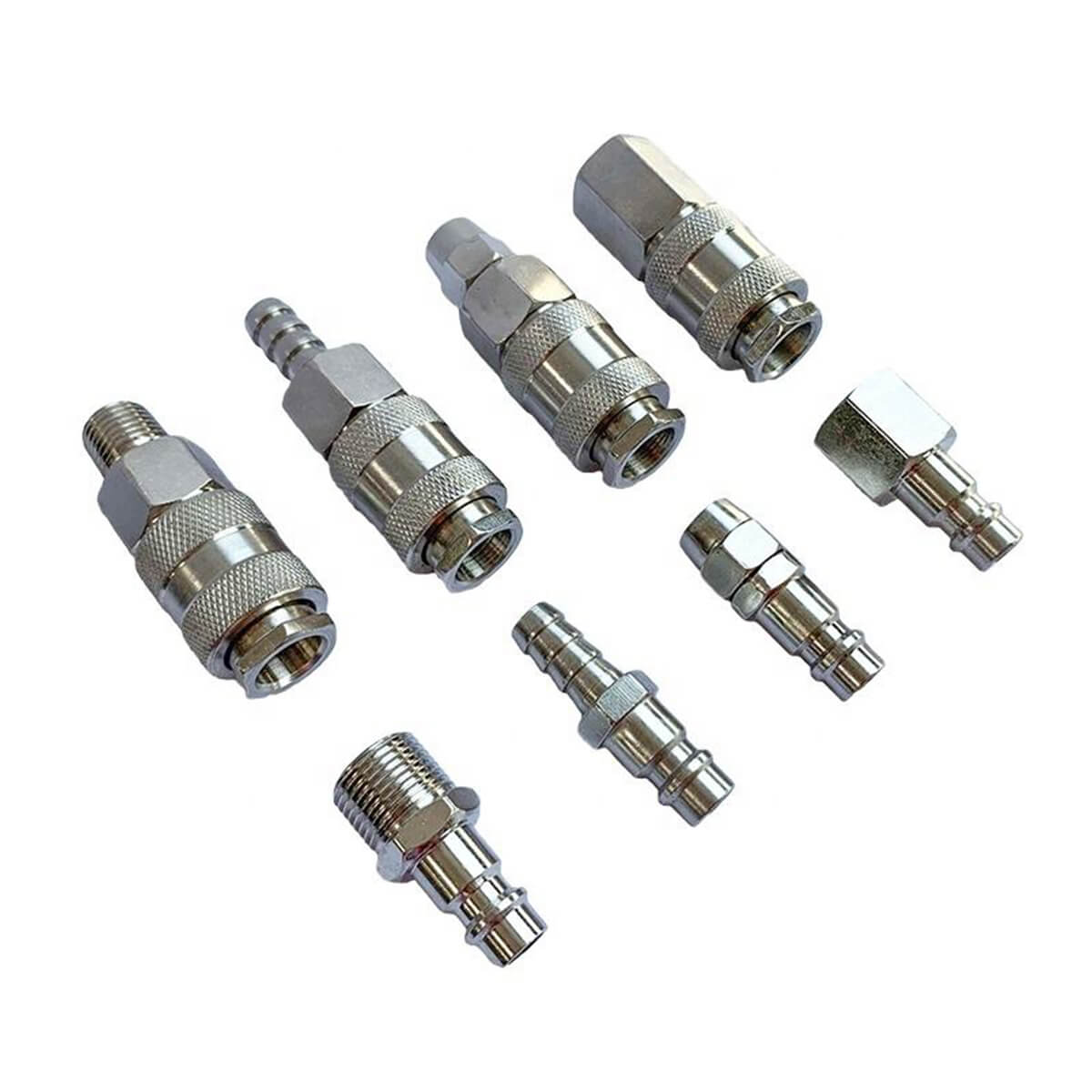
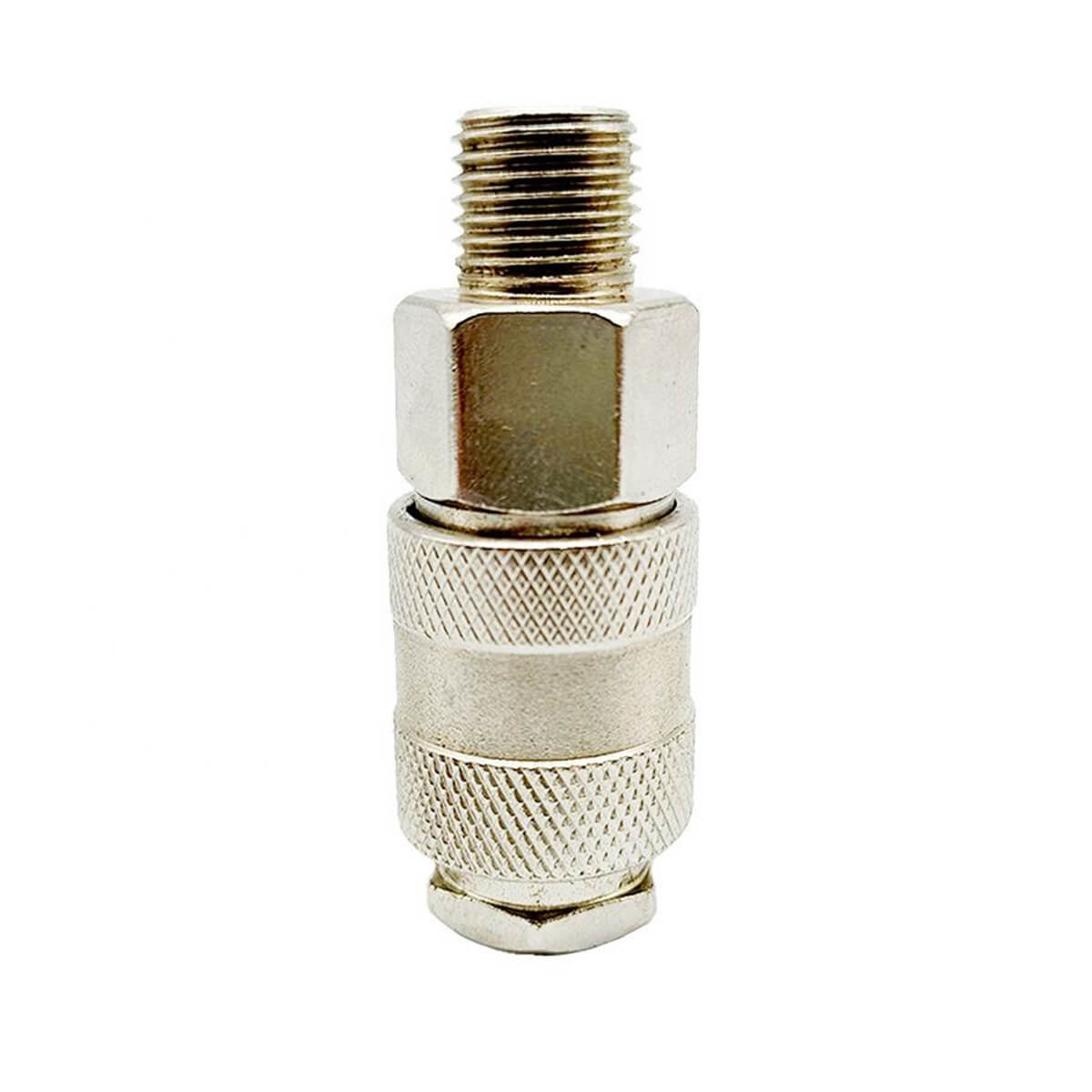
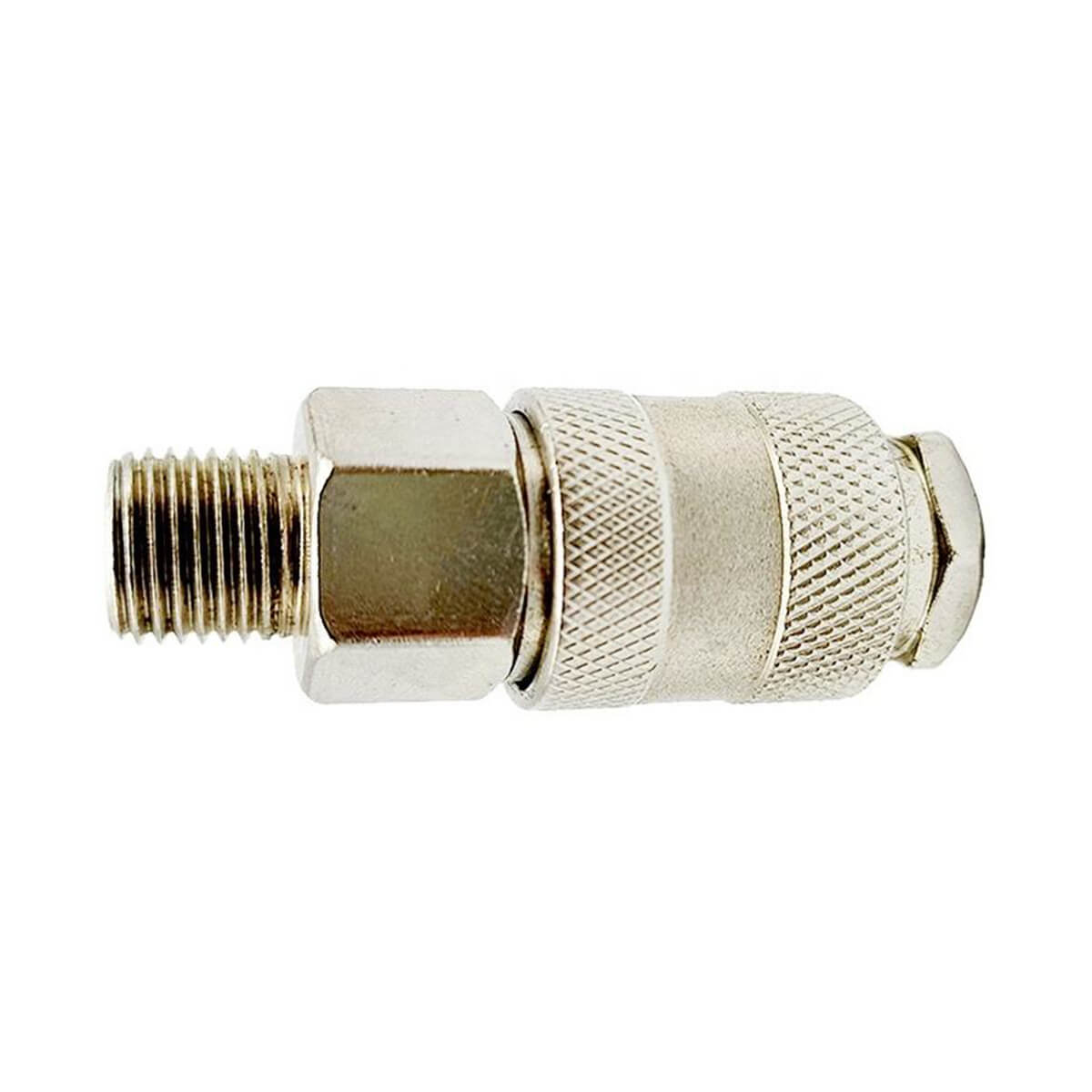
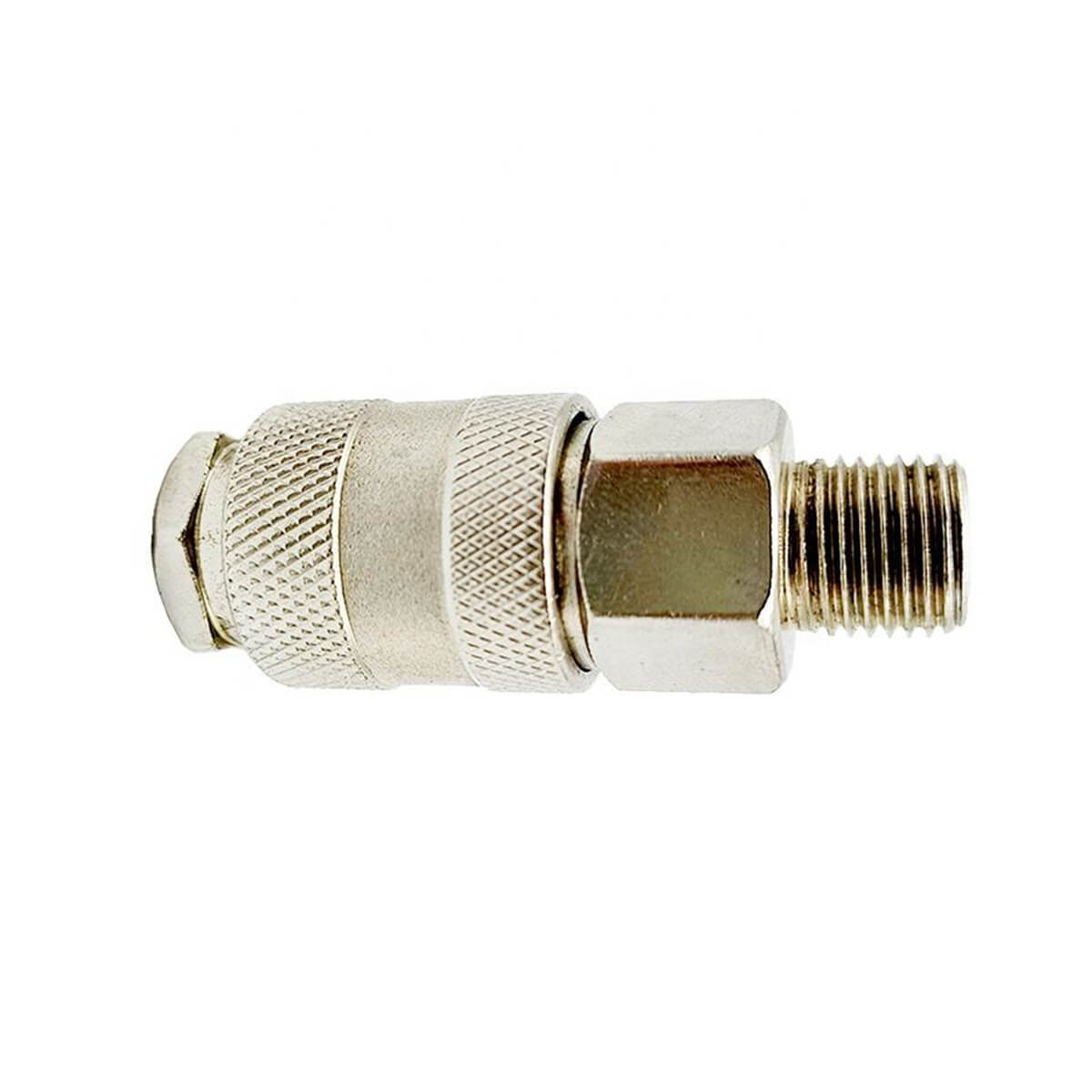
China air compressor fittings just for you
purchase air compressor fittings for all models
The calibre of your air compressor fittings determines the performance, safety, and efficiency of your air system. BISON, a leading OEM manufacturer in China, produces high-quality air compressor fittings that ensure secure connections, minimal air leakage, and long-lasting durability.
With advanced production technology and strict quality control, our fittings are compatible with all major compressor types. Whether you need standard or custom fittings, BISON provides solutions that improve airflow, reduce downtime, and boost productivity.
Get our best air compressor fittings right now >>
If you have any enquiries about the BISON air compressor fittings, we would love to hear from you.

Our core strengths
air compressor fittings
We don’t just manufacture fittings. Whether you’re an Original Equipment Manufacturer (OEM) or a large distributor, we act as your “field partner,” ensuring every air compressor fitting meets international standards and eliminates middleman markups.
- We use premium brass, stainless steel, and aerospace-grade aluminum for longer service life and fewer replacements.
- Our ISO and SAE precision threads ensure reliable plug-and-play compatibility.
- Every fitting is 100% pressure-tested before packing for consistent quality.
- Large stock of standard items enables dispatch within 48 hours.
- ISO 9001, RoHS, and REACH compliance supports smooth global imports.
- Reinforced export packaging protects goods during harsh sea transport.
A detailed air compressor fittings guide for beginners to advanced users.
Air compressors are used for many tasks, from inflating tires to powering air tools for household or industrial jobs. The right fittings keep your system running smoothly and safely.
Air leaks or poorly fitting tools can make using an air compressor frustrating and inefficient. Even the best compressor won’t perform well if the fittings aren’t correct.
In this article, we’ll explain the different types of air compressor fittings, how to use them, and tips for choosing the right ones for your system. BISON provides high-quality fittings that make your air system reliable and easy to use.
What are air compressor fittings?
Air compressor fittings are small but essential connectors that link your compressor to hoses, tools, and other accessories. Think of them as the “middlemen” that keep air flowing smoothly from the compressor to your tools. Without proper fittings, air can leak, tools may not connect properly, and work can become slower and more frustrating.
The primary role of fittings is to create a tight, secure, and airtight connection. This ensures your air system runs efficiently, delivers consistent power, and keeps you safe. Choosing the right fittings for your compressor and tools is key to a reliable, convenient, and hassle-free system.
Types of air compressor fittings
BISON offers a wide range of high-quality air compressor fittings to meet different needs. Understanding the types of fittings helps you choose the right ones for your system and ensures smooth, reliable performance. Fittings can be classified by connection type, material, or shape and function.
The choice of fitting depends on your system design, operating pressure, and the equipment you use. Each type serves a specific role in maintaining efficient air delivery and overall system reliability.
By connection type
1. Quick-connect fittings
Quick-connect fittings allow tools and hoses to be connected or disconnected without tools, making them ideal for jobs that require frequent tool changes. They work using a simple mechanism: the male plug is inserted into the female coupler, where a ball bearing lock secures it in place, creating a tight, airtight connection.
- Male fittings (plugs): usually attached to the tool or accessory.
- Female fittings (couplers): attached to the hose or compressor and receive the male plug.
Benefits:
- Speed: swap tools in seconds without unscrewing anything.
- Convenience: easy to use, even for beginners.
- Safety: minimizes air leaks and accidental disconnections.
2. Barbed fittings
Barbed fittings are designed for flexible hoses. The crimped or ridged design grips the hose tightly, preventing air leakage even under high pressure. They are commonly used in small air systems and pneumatic setups where a secure, durable connection is essential.
3. Push-to-connect fittings
Push-to-connect fittings provide a modern, tool-free solution. Simply push the hose or tube into the fitting, and it locks securely in place. These fittings are ideal for quick installations, compact systems, or DIY projects where convenience and ease of use are priorities.
4. Threaded fittings (NPT/BSP)
Threaded fittings screw into place to create a secure, airtight connection. They provide a strong, semi-permanent connection, making them ideal for fixed installations such as industrial setups or stationary compressors where frequent disconnections are not needed.
Threaded fittings come in various standards to ensure compatibility with different systems:
- NPT (national pipe thread): common in the United States, featuring a tapered design that forms a tight seal as it is screwed in.
- BSP (British standard pipe): common in Europe, Asia, and other regions. BSP threads can be tapered (BSPT) or parallel (BSPP), so it’s important to select the correct type.
- Metric threads: found in specialty or imported systems.
How to identify thread types:
- Angle: NPT threads have a 60° angle, while BSP threads have a 55° angle.
- Pitch: count the number of threads per inch (NPT) or per centimeter (BSP).
- Nominal size: check the size marked on the fitting, usually in inches or millimeters.
By material
The material of air compressor fittings affects durability, corrosion resistance, and suitability for different environments. Choosing the right material ensures long-lasting performance and reliability.
- Brass fittings: brass is durable, corrosion-resistant, and offers excellent sealing properties. It is suitable for both industrial and household applications, making it a popular all-around choice for general-purpose use.
- Steel fittings: steel fittings are strong and ideal for high-pressure or heavy-duty air systems. While they can handle extreme conditions, they may require protective coatings to prevent rust. Stainless steel fittings resist rust and chemicals, making them perfect for harsh environments.
- Aluminum fittings: aluminum fittings are lightweight, corrosion-resistant, and ideal for portable compressors or automotive systems. Their low weight makes them convenient for setups that require mobility.
- Plastic or composite fittings: plastic and composite fittings are cost-effective, corrosion-resistant, and lightweight. They are best suited for low-pressure, light-duty, or temporary applications where affordability and ease of use are priorities.
By shape / function
Air compressor fittings come in various shapes, each serving a specific function to optimize airflow and system layout:
- Couplers and plugs: connect hoses and tools. Couplers are usually female, while plugs are male.
- Tees: split airflow into two directions, allowing multiple tools to run from a single source.
- Elbows: change the direction of airflow, ideal for tight spaces or complex routing.
- Crosses: split airflow into more than two directions, useful in advanced or multi-line setups.
- Adapters and reducers: connect fittings of different sizes or thread types, ensuring compatibility across your system.
These fittings help redirect airflow and connect multiple hoses or lines, providing flexible system layouts. For systems that may expand in the future — adding tools, air lines, or stations — consider fittings like tees or manifolds to make expansion easier and avoid a full system redesign later.
How to choose the right air compressor fittings
Selecting the right air compressor fittings is essential for building a safe, efficient, and leak-free compressed air system. The fittings you choose affect everything — from air pressure consistency to the longevity of your compressor and tools. With various sizes, thread types, and materials available, it’s important to pick the ones suited to your specific setup.
Consider operating pressure
Each fitting has a maximum working pressure. Always choose fittings rated above the maximum pressure of your system. Using fittings below this rating can cause air leaks or dangerous failures.
Check flow rate (CFM)
The internal diameter of the fitting determines how much air can pass through, measured in CFM (cubic feet per minute). Using a small fitting on a high-demand tool can restrict airflow, reduce performance, and slow down your work. Always verify the manufacturer’s specifications for both pressure and CFM ratings to ensure optimal performance.
Identify the type of connection
Determine how your fittings will connect hoses, tools, and compressor outlets. Ensure compatibility to create an airtight connection and prevent leaks. Check manufacturer specifications or measure hose diameters and thread types when in doubt.
Fitting sizes
Match the fitting size to your hose to ensure smooth airflow:
- 1/4″ fittings: small tools like airbrushes, staplers, and tire inflators.
- 3/8″ fittings: medium-demand tools like nail guns, impact wrenches, and small grinders.
- 1/2″ fittings: high-demand tools such as sanders, large impact guns, and industrial equipment.
Ease of installation and maintenance
- Quick-connect / push-to-connect: ideal for frequent tool changes; tool-free and reduces hose wear.
- Threaded fittings: best for permanent setups; provide a tight, long-term seal. Use thread sealant or Teflon tape to prevent leaks.
Leak-proofing properties
Choose fittings with precision threads, quality O-rings, or seals. Good fittings maintain pressure under vibration and movement. Replace damaged fittings promptly to avoid leaks and wasted energy.
Match fittings to application
- Industrial: durable, corrosion-resistant threaded fittings for continuous use.
- Workshops: quick-connect fittings for easy tool swaps.
- Portable compressors: lightweight aluminum or composite fittings.
- DIY / hobby projects: budget-friendly plastic or brass fittings.
- High-temperature / heavy-duty: brass or steel fittings to withstand heat and pressure.
Price vs. longevity
Invest in quality fittings. Cheaper options may leak, wear out quickly, or fail under pressure, leading to higher long-term costs. Durable brass or steel fittings save time, energy, and frustration.
Conclusion
Air compressor fittings may be small, but they play a crucial role in keeping your air system safe, efficient, and reliable. When selecting fittings, remember the three S’s:
- Style: Stick to one standard (NPT, BSP, or quick-connect) to avoid compatibility issues.
- Size: Match the fitting size to your tool’s airflow requirements for optimal performance.
- Seal: Use PTFE tape or pipe dope on threads to prevent leaks and ensure a secure connection.
By following these guidelines and choosing high-quality fittings, you can maintain a smooth, leak-free, and high-performing air system.
Looking for durable air compressor fittings? BISON, a trusted OEM manufacturer, offers superior fittings designed to optimize airflow and system performance. Contact us today to learn more about our products.
frequently asked questions about air compressor fittings
Can I mix different fitting types?
It’s best not to. Mixing BSP and NPT fittings—or other thread systems—can cause leaks, cross-threading, and poor performance. Stick to a consistent standard throughout your setup to ensure compatibility and airtight connections.
How long do air fittings last?
With proper maintenance, high-quality fittings can last for many years, even in heavy-duty environments.
How to maintain air compressor fittings
Proper maintenance extends the life of your fittings and keeps your air compressor running efficiently. Follow these key tips:
-
Inspect regularly for leaks
Check all fittings periodically for signs of air leakage. Even small leaks can reduce pressure and system performance.
-
Clean threads and connectors
Dust, oil, or debris can prevent proper sealing. Keep threads and connectors clean to ensure tight, reliable fittings.
-
Replace damaged parts
Cracks, corrosion, or wear can compromise performance and safety. Replace damaged fittings immediately to prevent air loss and hazards.
How to install an air compressor fitting?
Proper installation ensures long-term reliability, safety, and optimal performance of your air system. Follow these steps:
Step 1: safety first
Always turn off the compressor and release all pressure before installing or removing fittings. Working on a pressurized system can cause serious injury.
Step 2: prepare the threads
Use a thread-sealing method to prevent leaks:
- PTFE (Teflon) tape: wrap 2–3 times clockwise around the threads.
- Pipe dope (thread sealant): apply a thin, even layer on the threads.
Step 3: install the fittings
- Start screwing the fitting in by hand.
- Tighten securely with a wrench, but avoid over-tightening, which can strip or crack threads. Snug plus a slight additional turn is sufficient.
Step 4: check connections
- Slowly pressurize the system.
- Listen for hissing sounds or use a soap-and-water solution at connection points.
- If bubbles appear, tighten slightly or reapply sealant to fix leaks.