Air compressors are powerful tools that make tasks such as painting and inflating tires easier and faster. After finishing the job, many users simply unplug the compressor and leave it, but this common habit can quietly damage the equipment. Storing a compressor on a cold concrete floor with a pressurized, moisture-filled tank can lead to hidden damage over time.
Proper storage of an air compressor is essential to prevent rust, moisture buildup, and performance loss. Improper storage can lead to costly repairs, reduced lifespan, and even safety risks.
In this guide, BISON will show you how to store an air compressor correctly step by step, along with expert tips to keep your equipment in top condition.
How to store an air compressor: step by step
Taking simple steps before storing an air compressor helps prevent rust, mechanical wear, and unexpected issues. Proper preparation keeps the tool in good condition and extends its lifespan.
# step1: Preparing your compressor for storage
Release all remaining pressure first
Turn off the compressor and switch off the power, then unplug the unit. Release any remaining air through a connected pneumatic tool or the safety relief valve. Do not store a pressurized tank, as this can increase safety risks and cause damage to valves and seals. Confirm the pressure gauge reads zero before continuing.
Drain the air tank completely
Moisture builds up inside the tank during operation and can cause rust and corrosion. Locate the drain valve at the bottom of the tank and open it fully after ensuring all pressure is released. Tilt the compressor if needed to remove all remaining water and sludge. Leave the valve open long enough to ensure complete drainage.
Run the compressor briefly with the drain valve open to remove leftover condensation, then switch it off immediately after. Wear safety glasses and keep hands away from the drain opening during this step.
Check or change the oil (oil-lubricated models)
Old oil can degrade during storage and cause internal corrosion. Drain the used oil completely and refill with fresh oil recommended by the manufacturer. This helps protect pump components and prevents premature wear. Skip this step for oil-free models and instead check the air filter.
Clean the exterior and filters
Remove the air intake filter and clean or replace it if needed. Remove dust, grease, and debris from the compressor body. Tap out or wash reusable filters, and replace damaged or heavily soiled ones to maintain proper airflow and prevent motor strain.
Wipe down the tank, motor housing, and gauges to remove oil residue, dirt, and moisture. Inspect fittings and connections for cracks or wear, and mark any damaged parts for repair before next use.
Manage hoses and accessories
Disconnect all hoses, fittings, and air tools. Loosely coil hoses to prevent kinking and damage, and store them separately in a dry place. Inspect for cracks, leaks, or wear, and place fittings, nozzles, and regulators in a labeled container.
Apply a light coat of rust inhibitor to unpainted metal parts and quick-connect fittings. This helps prevent corrosion and seizing during long storage periods.
# Step2: Short-term vs. long-term storage
The length of time the air compressor is out of use determines the proper storage steps. Short-term storage focuses on daily maintenance, while long-term storage requires deeper protection to prevent corrosion and mechanical damage.
Short-term storage (daily to weekly)
Drain the tank after every workday as a strict routine. This prevents moisture buildup that can cause internal rust and damage the tank. Remove all remaining moisture, clean the exterior, and disconnect hoses or accessories. Leave the drain valve open overnight to allow full drying.
Keep the compressor fully depressurized and unplugged. Store it in a dry, safe, and low-traffic area to avoid accidental damage while keeping it ready for immediate use.
Long-term storage (seasonal or months of infrequent use)
For extended storage, additional protection is required to prevent corrosion and wear. Apply fogging oil to protect internal cylinders and reduce corrosion risk. If recommended, use a corrosion inhibitor and lightly lubricate moving parts.
Clean the unit thoroughly and cover it with a breathable dust cover to prevent moisture buildup. Avoid trapping humidity by using breathable materials, especially in indoor or climate-controlled storage.
Store the compressor in a dry environment and keep it protected from dust and debris. Disconnect the power cord and store hoses, fittings, and accessories separately in a clean, dry container.
# Step 3: Store according to the type of air compressor
How to store different types of air compressors? Proper storage depends on the compressor type. Different models require different handling to ensure durability, reduce maintenance costs, and keep the unit ready for use.
Portable / pancake compressors
Portable compressors are designed for mobility, but their lightweight build makes them more vulnerable to damage if not stored properly.
Hose storage: Coil air hoses loosely in a wide figure-eight pattern to prevent kinks and extend hose life.
Accessories: Remove hoses, fittings, and tools before storage to avoid bending, cracking, or connector damage. Store accessories separately in a dry place.
Impact protection: Protect handles, wheels, and attachments with padding if stored in tight spaces. Avoid rough surfaces, as even small impacts can misalign parts or damage the tank.
Cover: Cover the compressor with a breathable canvas tarp instead of plastic to prevent moisture buildup.
Placement: Place pancake compressors on lower shelves to reduce the risk of falling, and avoid stacking heavy items on top of the unit.
Vertical tank (upright) compressors
Vertical compressors save floor space but require stability precautions due to tipping risks. Secure the unit to a structural wall using heavy-duty straps to prevent accidents. Always store upright to maintain balance and avoid stress on internal components such as pumps and valves.
Stationary compressors
Stationary compressors are large, fixed units used in workshops or industrial spaces. Storage focuses on stability, access, and ventilation.
Mounting: Ensure the compressor is securely mounted or positioned to prevent vibration and loosening of bolts.
Drain valve access: Keep clear access to the bottom drain valve by leaving space around the unit.
Ventilation: Maintain ventilation by keeping the surrounding area free from dust and clutter. Cover exposed pipes, fittings, and gauges with breathable materials to reduce dust buildup while allowing airflow.
Inspections: Perform regular inspections during storage to detect early signs of rust or leaks, as these units are costly to repair.
Moving: When moving, use proper equipment such as a forklift or dolly to avoid injury or damage.
Horizontal tank compressors
Store horizontal compressors in low-traffic areas with enough clearance on all sides for airflow and protection from impact. Place the unit on vibration-damping pads to reduce moisture transfer and prevent rust that can weaken the tank over time.
Electric compressors
Avoid storing electric compressors in damp or humid areas. Moisture exposure can damage the motor and wiring, leading to short circuits, electric shocks, or permanent failure.
Gas-powered air compressors
Add a fuel stabilizer to the gas tank and run the engine for a few minutes to circulate it before storage. Drain the carburetor bowl to prevent fuel residue from forming varnish that can clog jets and affect starting. For electric-start models, disconnect the battery by removing the negative cable first. Store the battery on a wooden surface away from concrete to help maintain battery life and prevent drainage.
Oil-lubricated compressors
Oil-lubricated compressors use oil to reduce friction between moving parts. Before storage, check the oil level and top it up with the manufacturer’s recommended type to prevent internal wear. For long-term storage, some manufacturers may recommend draining the oil to avoid contamination or settling. Inspect the pump and other moving parts for dirt or buildup and clean them to prevent corrosion. With proper maintenance, these compressors last longer because oil protects internal components, but poor storage can lead to costly damage.
Oil-free compressors
Oil-free compressors are easier to maintain but still need proper care during storage.
Moisture: Remove all moisture from the tank after use to prevent rust.
Cleaning: Clean filters and pump surfaces to stop dust and debris from building up.
Seals: Inspect hoses, connectors, and fittings for cracks or wear, since these models rely heavily on tight seals.
Proper storage helps maintain the pump and valves, ensuring reliable performance when needed again.
Specialty compressors
Specialty compressors used for high-pressure, industrial, or specific gas applications should always follow manufacturer storage guidelines to maintain safety and pressure tolerance. Pay close attention to seals, valves, and gauges, as these components are more sensitive to environmental changes. Regular inspections during storage help detect early signs of wear or corrosion.
#Step4: Choosing the right storage environment
Where an air compressor is stored has a major impact on its lifespan and performance. Proper storage starts with selecting the right environment, as the wrong conditions can cause rust, cracked hoses, and reduced efficiency. The right location keeps the unit safe, dry, and ready for use.
Indoor vs. outdoor storage
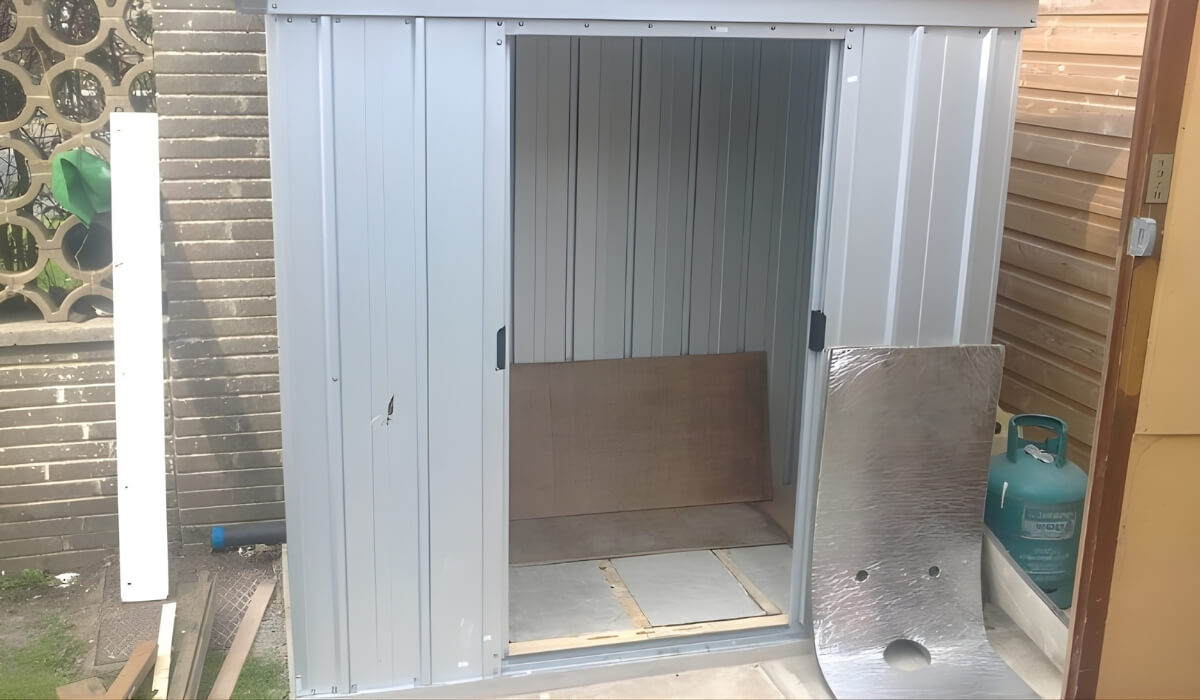
Indoor storage is always better than outdoor placement. Outdoor environments expose compressors to moisture, UV rays, and temperature changes that quickly damage rubber hoses and plastic parts. If outdoor storage is unavoidable, use a covered and ventilated shed.
Even in covered areas, protect the compressor from sudden temperature shifts and high humidity. A breathable cover provides additional protection. Avoid placing the compressor directly on bare ground, and elevate it to prevent moisture absorption and base corrosion.
Temperature and humidity control
Moisture and extreme temperatures can damage seals, hoses, and internal components. A dry, cool, and stable environment helps maintain compressor condition. Damp basements and leaking storage areas increase the risk of rust, corrosion, and seal failure.
Control humidity by using a dehumidifier or placing silica gel packs inside enclosed storage spaces. This helps reduce excess moisture and protects both metal and electrical parts.
Ventilation requirements
Proper airflow prevents condensation buildup on metal parts and inside the tank. Store the compressor in a well-ventilated area rather than an airtight space. Poor ventilation can trap heat and moisture, leading to corrosion and damage. Always maintain airflow around the unit to keep it dry and prevent overheating.
Floor surface and elevation
Place the compressor on a flat and level surface to ensure stability. Avoid direct contact with concrete floors, as they can trap moisture and cause bottom-up rusting. Elevate the unit using a wooden pallet, rubber mat, or similar barrier. This helps protect the base from ground moisture and improves insulation.
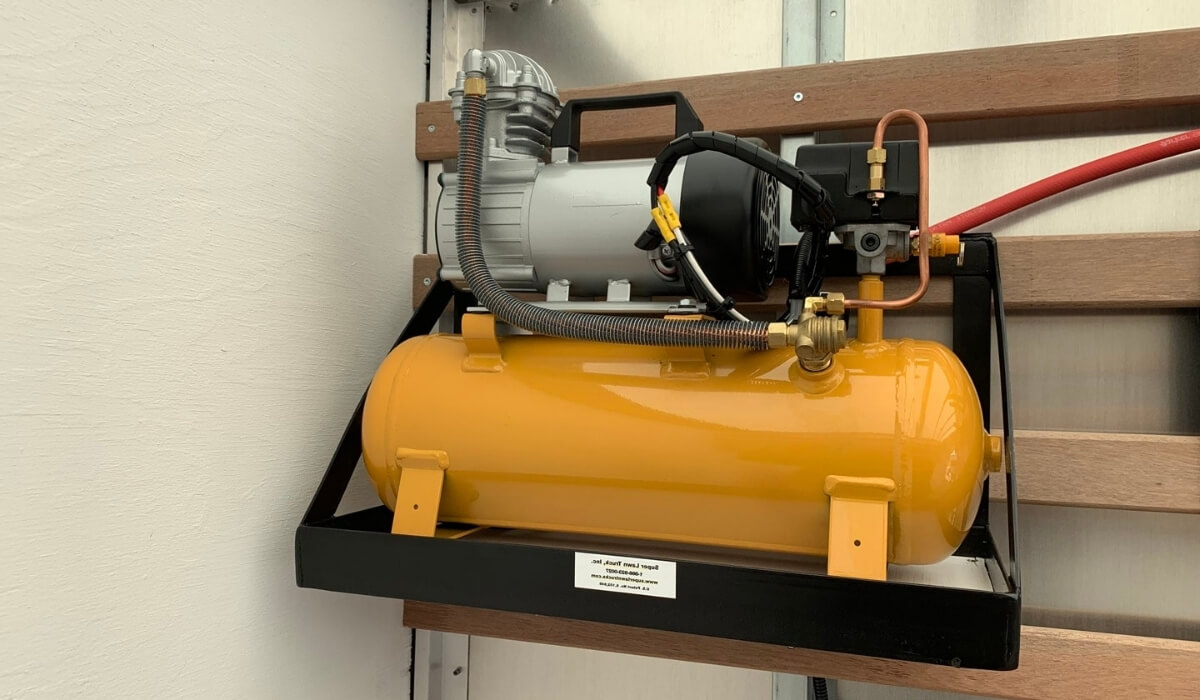
Rack-mounted storage (elevated installation)
When placing the compressor on a rack, use a sturdy, load-rated structure that is level and securely anchored. Position the unit centrally to maintain balance.
Stability is essential—firmly secure the compressor with bolts or brackets to prevent any movement or tipping. Ensure the rack surface is flat and does not flex under load, providing consistent and reliable support.
Seasonal storage tips
Weather changes can affect compressor condition, so storage methods should be adjusted accordingly.
Winter storage
Cold temperatures can freeze residual moisture, which may damage tanks and hoses. Store the compressor indoors whenever possible and follow manufacturer guidance if antifreeze solutions are used.
Always drain the tank before winter storage. Leaving moisture inside is a common cause of tank damage. Avoid using non-breathable covers, as they trap moisture and increase rust risk.
In cold conditions, standard oil may thicken and cause hard starts. Using winter-grade synthetic oil can help prevent strain on internal components. Also, rubber and PVC hoses can become brittle, so warm them indoors before bending or uncoiling.
Summer storage
High temperatures can weaken seals, hoses, and plastic parts. Store the compressor in a cool, shaded, and well-ventilated area to prevent overheating and material damage.
Safety considerations for compressor storage
Proper storage is not only about performance but also about safety. Keeping the compressor in a secure and controlled environment helps prevent accidents, damage, and long-term wear.
Keep away from children and pets
Air compressors should always be stored in a secure location out of reach of children and pets. These machines can be dangerous if tampered with, so the storage area should be safe and, if needed, clearly labeled to warn others of potential hazards.
Avoid flammable, corrosive, and chemical exposure
Do not store compressors near gasoline, paint fumes, or other flammable materials. Heat or sparks from the unit can ignite these substances.
Also avoid storing the compressor in areas with corrosive chemicals or strong fumes. Exposure can damage metal surfaces, seals, and other components, reducing the lifespan of the unit.
Keep the compressor away from dusty environments as well, since dust can clog filters, reduce efficiency, and accelerate wear.
Protection from pests and other hazards
Ensure the storage area is free from pests, especially rodents that may chew on electrical cords or damage components. Seal intake ports to prevent nesting inside the motor housing, and use basic deterrents around the storage area to reduce pest activity.
Bringing your air compressor out of storage
Create a recommissioning checklist and attach it directly to the machine. Maintenance teams should follow it step by step when returning the unit to service. A clear procedure helps ensure safe operation and extends equipment lifespan.
Pre-operation inspection checklist
Before starting a compressor after storage, especially long-term storage, follow a strict inspection process. Skipping these checks can lead to early component failure.
Oil level: Check to ensure proper lubrication before startup.
Air filter: Inspect and replace it if it is dirty or blocked.
Drain valve: Confirm it is fully closed before building pressure.
Hoses: Inspect all hoses for cracks, dry rot, or wear.
Hose connections: Check that all connections are secure.
Power cord and plug: Inspect for frayed wires, stiff insulation, pest damage, or visible wear.
Even with proper storage, dust, moisture, and wear may still develop. Before turning the unit on, inspect hoses, fittings, valves, and the tank for rust, cracks, or leaks to avoid accidents.
Startup procedure
Start the compressor without any tools connected. Let it run unloaded for a few minutes to allow internal lubrication.
Close the discharge valve and allow the tank to build pressure. Watch the gauge until the compressor reaches its cut-out pressure and shuts off automatically.
Listen carefully during operation. Hissing sounds may indicate air leaks at fittings, welds, or connections, which should be repaired immediately.
Test the safety relief valve by pulling the ring to release air. It should open and reset smoothly. A sticking valve can create an over-pressurization risk.
When to service before use
Some issues require professional repair before operating the compressor again.
Humming motor that does not start: May indicate capacitor failure or pump seizure. Stop use immediately.
Milky oil: Suggests moisture contamination inside the crankcase.
Continuous running without reaching cut-out pressure: May indicate reed valve failure.
Heavy vibration or metallic knocking: Should be addressed immediately, as these can signal serious pump damage.
To reduce downtime, keep spare belts, filters, and valve kits available for quick replacement when needed.
Conclusion
Proper air compressor storage protects your investment, improves safety, and keeps your equipment ready for use. Proper storage and maintenance are critical to ensure long-term performance and reliability.
By removing moisture, cleaning filters, inspecting hoses, and storing the unit in a dry, well-ventilated area, you can significantly extend the lifespan of your compressor. Following these practices reduces maintenance costs and helps prevent unexpected breakdowns, ensuring consistent performance every time.
Taking a few minutes to drain the tank and secure all components can prevent costly repairs and downtime.
Evaluate your storage environment and apply these best practices regularly.
Finally, choosing a high-quality air compressor with proper drainage and moisture control features can make storage and maintenance much easier. BISON offers a wide range of reliable air compressors designed for durability and easy maintenance.